Which chanachur should you buy?
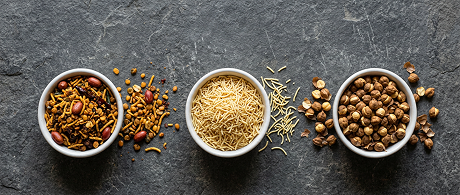
Walk into any shop in Kolkata and the chanachur shelf will offer you a dozen packets that all look broadly similar. They are not. Bengali savoury mixes pull in three directions, and knowing which is which saves you a disappointing evening.
Tok — the sour one
Tok means sour, and it comes from tamarind, amchur or a squeeze of lemon worked into the mix. A good tok chanachur makes the sides of your jaw tighten on the first bite.
It suits hot weather and heavy meals. If you have eaten a large lunch and want something sharp at four o’clock, this is the one. It also does the most work in jhalmuri, because sourness carries through the muri better than heat does.
Jhal — the hot one
Jhal is heat, and Bengali heat is not the same as heat elsewhere. It arrives late. The first mouthful reads as savoury, the third one catches the back of your throat, and by then you have committed.
Look for green chilli and mustard rather than pure chilli powder. Powder gives you a flat burn that sits on the tongue. Mustard oil gives you something that moves.
This is the mix for people who eat while watching something, because heat rewards a slow pace.
Misti — the sweet one
Sweetness in a savoury mix confuses people who did not grow up with it. In Bengal it is normal and often expected — a little sugar or jaggery balancing the salt, sometimes with raisins or sweetened coconut in the mix.
Misti chanachur goes best with plain cha and no other food. It is a mid-morning thing more than an evening thing.
How to actually choose
Most good mixes are not purely one of these. They lean. Our Tok Jhal Misti deliberately does all three in sequence — sweet first, then sour, then the bite — because that is how it is eaten at home.
If you are buying one packet and you are not sure, go for something in the middle of the heat range with a bit of sourness. It works with cha, it works in jhalmuri, and it will not frighten anyone.
Two things to check on the back of any packet, whoever made it:
- A pack date, not just a best-before. Fried snacks lose their crunch long before they become unsafe. Knowing when it was sealed tells you more than knowing when it expires.
- The oil. If the label does not say, assume it has been through a lot of fryers before yours.